


Countertops Built for Daily Kitchen Use
Kitchen Epoxy Countertops in South Jersey for outdated laminate or worn surfaces needing durable, custom finishes
Laminate countertops that show edge wear, burn marks near stoves, or color schemes from previous decades limit how updated a kitchen can look even after new cabinet hardware or fresh paint. Custom epoxy countertop finishes from WeFixAnyTub.com provide a hard, seamless surface over existing countertops in Sicklerville kitchens where replacement costs exceed renovation budgets. The process creates decorative epoxy designs that range from solid colors to patterns mimicking natural stone, all while producing surfaces that handle heat and moisture better than the original laminate.
Kitchen countertop resurfacing with epoxy involves removing old caulk, repairing any delaminated areas, and building up edge profiles before applying the epoxy layers. The material self-levels to eliminate seams and create a smooth, glass-like finish that is easy to clean and resists staining from common kitchen spills. Multiple color and pattern options allow the countertops to coordinate with backsplashes, flooring, and cabinetry finishes.
Request a kitchen assessment to evaluate your current countertop condition and review epoxy design options.
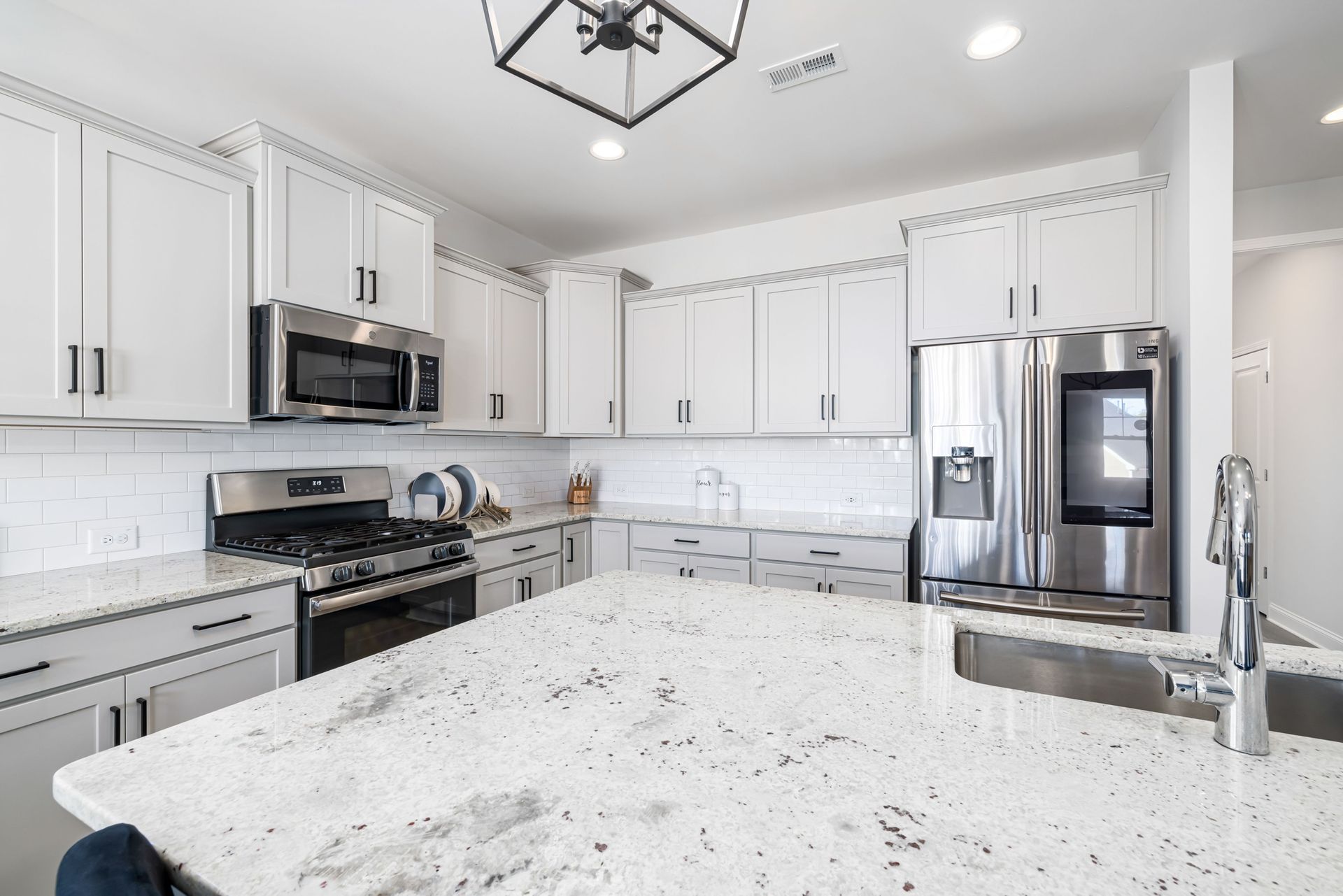
How Epoxy Application Creates Durable Surfaces
Epoxy countertop application begins with surface preparation that includes deglossing the laminate to create tooth for adhesion and filling any chips or damaged areas so the final surface remains level. Edge treatment often involves building up the profile to create a thicker, more substantial appearance that hides the particleboard core visible on many older laminate counters. The epoxy is then mixed and poured, with color additives or decorative elements introduced before the material begins to cure.
Once cured, the countertop feels solid rather than hollow when you set down dishes or cutting boards, and the surface does not flex or give under pressure the way worn laminate does. Spills wipe away completely without leaving stains in seams or around the sink cutout where water used to seep under the laminate edge. Heat from pots and pans does not leave the white marks or bubbles that appeared on the old surface, though trivets remain necessary for extremely hot cookware placed directly from the stove.
Epoxy is not porous like granite or concrete, so it does not require sealing and resists bacterial growth better than natural stone. The surface cannot be repaired with simple buffing if deep scratches occur—cuts from knives or impacts from dropped cast iron pans may require professional repair or localized reapplication. Avoiding cutting directly on the surface and using cutting boards protects the finish over years of meal preparation.
Common Questions About This Service
Homeowners considering epoxy countertops often ask about durability, appearance options, and how the process compares to countertop replacement.
What existing countertop materials can receive epoxy finishes?
Laminate, tile, and solid surface countertops can all be resurfaced with epoxy as long as they are structurally sound and properly adhered to the cabinets below. Wood countertops require sealing before epoxy application, and granite or quartz typically do not benefit from epoxy since those materials already provide superior durability.
How do decorative epoxy designs get created?
Pigments, metallic powders, or colored flakes are added to the epoxy before it cures, then manipulated with tools or heat guns to create swirls, veining, or textured patterns. Each countertop becomes unique since the epoxy moves organically during application, making it impossible to replicate exact patterns across multiple projects.
Why does epoxy work better than paint or refinishing kits?
Epoxy cures through a chemical reaction that creates a hard, cross-linked polymer rather than simply drying like paint. This makes the surface far more resistant to scratching, heat, and moisture than brush-on countertop paints, which tend to chip at edges and wear through in high-use areas within months.
How long before the countertops can be used?
Epoxy requires 24 to 48 hours before light use and up to a week for full hardness. Placing heavy objects or exposing the surface to water before the cure is complete can leave permanent impressions or cause cloudiness in the finish.
What maintenance does an epoxy countertop need?
Daily cleaning with mild soap and water keeps the surface in good condition. Avoid abrasive scrubbers or harsh chemicals like bleach, which can dull the glossy finish over time. In Sicklerville kitchens with high sunlight exposure, UV-resistant epoxy formulations prevent yellowing that can occur with standard epoxy products near south-facing windows.
WeFixAnyTub.com applies custom epoxy finishes to outdated countertops for homeowners throughout Sicklerville who want updated kitchens without demolition costs. Schedule an estimate to discuss your countertop layout and design preferences.